Food marketing
Many Digital Food Ads to Children Promote Products That Fail Health Criteria
A July 2026 PLOS One study found that many social media posts from ultra-processed food brands promoted products that would trigger nutrition-policy concern.
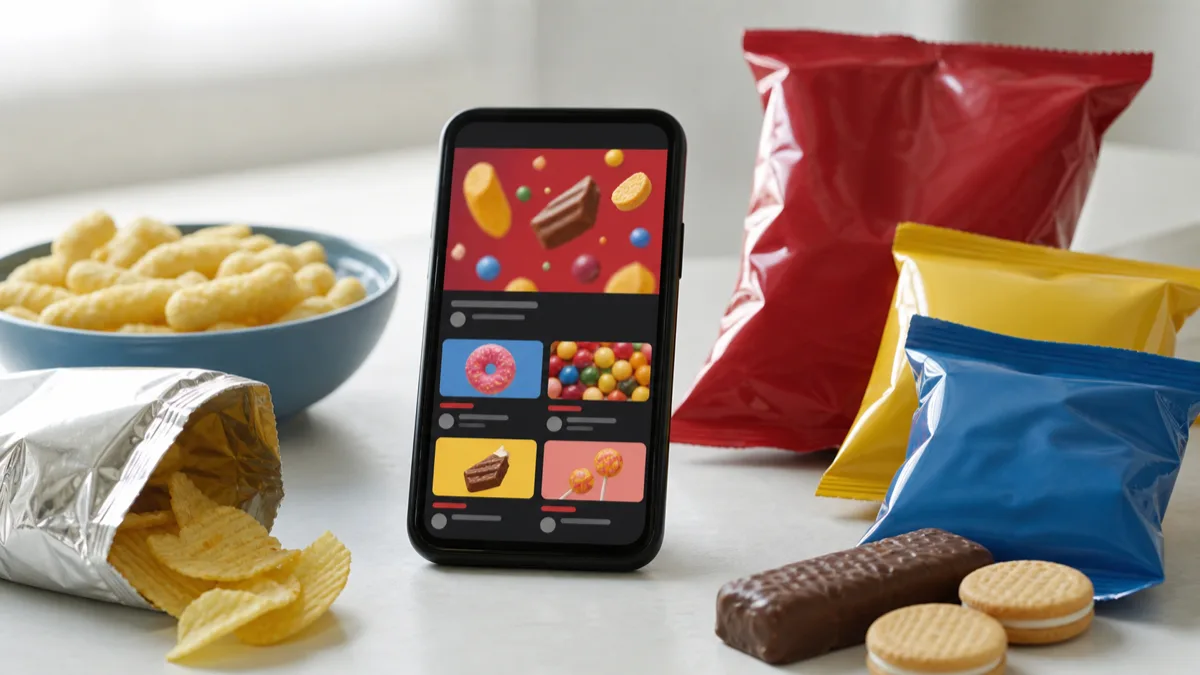
A July 17, 2026 PLOS One study examined digital advertising from ultra-processed food brands and products directed at children and adolescents.
The sample included 623 Instagram posts, 257 TikTok posts, and 114 YouTube posts.
Under Brazil's front-of-pack nutrition labeling model, 61.28% of assessed food items exceeded at least one nutrition threshold.
Under the Pan American Health Organization model, 93.86% of assessed food items were classified as non-compliant.
At the advertisement level, 49.53% of posts contained at least one non-compliant food under the Brazilian model.
Under the PAHO model, 74.13% of posts contained at least one non-compliant food.
The authors noted that Brazil's current food advertising rules do not fully cover digital channels.
This matters because digital advertising can reach children in formats that look like entertainment, not health information.
The consumer lesson is simple: a product can be heavily promoted and still be a poor fit for regular eating.
For Pom readers, this is a reason to treat marketing as a sales signal and labels as the health signal.